How To Choose The Right Automotive Key Programmer

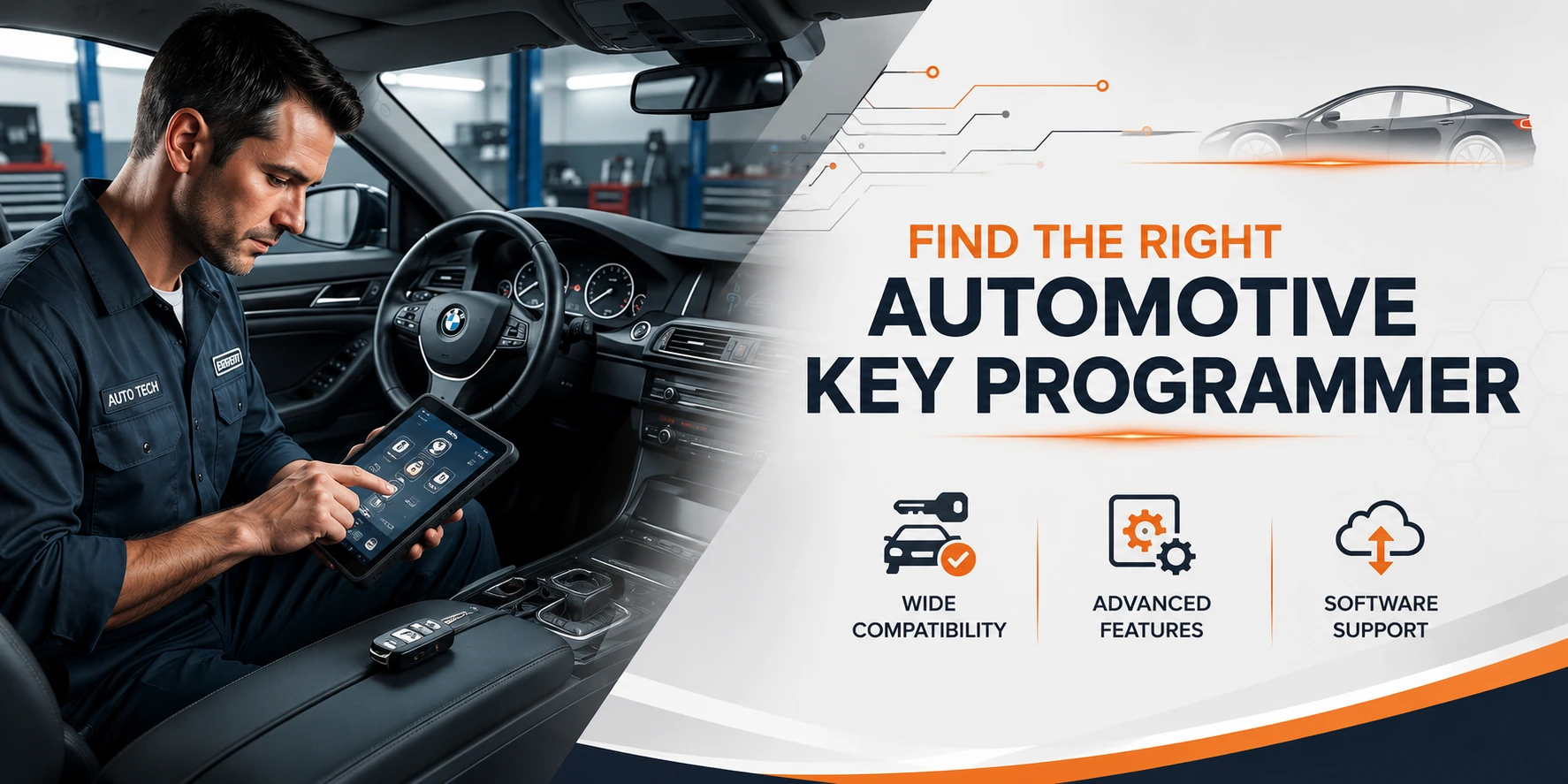
Choosing the right automotive key programmer is an important decision for any locksmith working with modern vehicles. Today’s vehicles use a wide range of transponder keys, remote systems, smart keys, immobilizer technologies, and electronic security systems. Because of this variety, a programmer that works well for one application may not provide the coverage or functions needed for another.
The right equipment can help locksmiths work more efficiently, reduce unnecessary equipment purchases, and provide better service to customers. Instead of choosing a programmer based only on price, it is important to consider vehicle coverage, programming capabilities, software updates, diagnostics, ease of use, and long-term value.
What Is An Automotive Key Programmer?
An automotive key programmer is specialized equipment designed to communicate with a vehicle’s electronic systems for supported key-related functions. Depending on the device, a programmer may support different vehicle makes, models, key types, immobilizer systems, remote functions, diagnostics, and other professional applications.
Modern programmers range from compact devices designed for specific tasks to advanced diagnostic platforms offering broader vehicle coverage and additional functions.
Because manufacturers use different security technologies, there is no single programmer that is automatically ideal for every locksmith.
Why Choosing The Right Programmer Matters
A professional programmer is an investment in your business. The right device should match the vehicles you regularly work with and provide useful functions for your typical jobs.
Choosing the wrong equipment can result in limited vehicle coverage, unnecessary software expenses, compatibility problems, or equipment that does not meet your workflow requirements.
A good purchasing decision should consider both your current needs and the direction you expect your locksmith business to take.
Key Features To Consider
When comparing automotive key programmers, look at several important factors rather than focusing on one specification.
Vehicle Coverage
Vehicle coverage should be one of the first things you investigate. Check whether the programmer supports the vehicle makes and models commonly found in your service area.
If you primarily work with domestic vehicles, you may have different requirements than a locksmith who regularly handles European or Asian vehicles.
Always check the manufacturer’s current coverage information because supported functions can vary between specific models and model years.
Key Programming Functions
Different programmers support different types of key-related functions. Some may focus primarily on transponder keys, while more advanced systems may support smart keys, remote systems, and other supported immobilizer applications.
Consider the types of products you commonly sell and program. If your inventory includes traditional transponder keys, remote head keys, smart keys, and other systems, broader coverage may provide greater value.
Diagnostic Capabilities
Some modern key programmers also provide diagnostic functions. This can make a multifunctional device more useful because you may be able to use one platform for both key-related work and supported diagnostic applications.
However, diagnostic capability should not automatically make one programmer better than another. Consider whether those functions are actually relevant to your business.
Software Updates
Automotive technology changes constantly. New vehicle models, security systems, and software requirements can affect equipment coverage.
Regular software updates can help keep a programmer current with supported applications. Before purchasing, check how updates are provided, how frequently they are released, and whether they require subscriptions, tokens, or additional fees.
Ease Of Use
A programmer can have extensive features but still be difficult to use efficiently. A clear interface, straightforward menus, useful instructions, and a responsive system can make a significant difference during busy locksmith jobs.
If possible, consider the user interface and workflow before making your purchase.
Compare Programmers Before Buying
A simple comparison can help you identify the equipment that fits your needs.
| Feature | What To Consider |
|---|---|
| Vehicle Coverage | Does it support the vehicles you commonly service? |
| Key Functions | Does it support your primary key and remote applications? |
| Diagnostics | Are diagnostic functions useful for your business? |
| Updates | How are software updates provided and maintained? |
| User Interface | Is the equipment easy to learn and operate? |
| Accessories | Are required cables, adapters, or accessories included? |
| Support | Is technical or product support available? |
| Long-Term Cost | Consider purchase price, updates, subscriptions, and accessories. |
Consider Your Locksmith Business
Your business model should influence your equipment choice.
A mobile locksmith who handles a broad range of vehicle makes may benefit from a versatile platform with extensive coverage. A locksmith specializing in a smaller group of vehicle brands may prefer equipment optimized for those applications.
Similarly, someone starting a locksmith business may want a practical programmer that covers their initial service needs, while an established business may benefit from adding advanced equipment to expand its capabilities.
Think About Total Cost
The purchase price is only one part of the overall cost of ownership.
Consider software updates, subscriptions, tokens, cables, adapters, accessories, replacement components, and other expenses that may apply over time.
A lower-priced device is not always the most affordable option if it has limited coverage or significant recurring costs. Likewise, an expensive programmer may not be the best choice if your business rarely uses its advanced functions.
The goal is to find the best balance between capability, coverage, usability, and long-term value.
Check Equipment Compatibility
Before purchasing a programmer, verify that the equipment is compatible with your intended applications.
Compatibility can depend on vehicle make, model, model year, key type, immobilizer system, software version, and required accessories.
Manufacturers frequently provide coverage information and application guides. Reviewing these details before ordering can help prevent purchasing equipment that does not meet your requirements.
Brand And Manufacturer Support
Manufacturer reputation and support are also important considerations. Professional locksmith equipment may require software updates, technical information, accessories, or troubleshooting from time to time.
Look for manufacturers that regularly update their equipment and provide clear documentation and support resources.
Popular professional equipment brands may offer different strengths, so compare their product ecosystems rather than selecting a brand based solely on popularity.
Don’t Forget Accessories
A programmer may require specific cables, adapters, connectors, or other accessories for certain applications.
Before purchasing, check what is included with the device and what may need to be purchased separately.
Keeping commonly required accessories organized can also make your workflow more efficient and help reduce delays during jobs.
New Locksmiths vs. Experienced Professionals
For Beginners
If you are new to automotive locksmith work, focus on equipment that is relatively easy to learn and covers the vehicles you expect to encounter most often.
Avoid paying for advanced functions you do not currently need simply because they appear on a specification sheet.
For Experienced Locksmiths
Experienced professionals may benefit from equipment with broader coverage, advanced functionality, diagnostic capabilities, and integration with other tools already used in their business.
For established locksmith operations, equipment versatility and long-term update support can become particularly important.
Common Mistakes To Avoid
One common mistake is buying a programmer based only on its price. Another is assuming that a device supporting a particular vehicle brand automatically supports every model and function from that manufacturer.
Other mistakes include ignoring software update requirements, overlooking accessory costs, and failing to verify compatibility before purchasing.
Taking a few extra minutes to research coverage and requirements can help you make a much better investment.
A Simple Buying Checklist
Before purchasing an automotive key programmer, ask yourself:
Which vehicle brands do I service most often?
Which key and remote systems do I commonly work with?
Do I need diagnostic capabilities?
How often are software updates provided?
Are subscriptions or tokens required?
What accessories are included?
What additional accessories will I need?
Does the manufacturer provide product support?
What will the total cost be over time?
These questions can make the comparison process much easier.
Final Thoughts
Choosing the right automotive key programmer requires more than comparing prices or counting features. The best option is the one that fits your vehicle coverage, key programming needs, workflow, experience level, and business goals.
Take time to compare coverage, supported functions, software updates, accessories, manufacturer support, and long-term costs before making your decision. With the right equipment, automotive locksmith professionals can build a more efficient workflow and be better prepared for the wide range of key technologies used in today’s vehicles.
At Affordable Keys Supply, you can explore automotive programming equipment, keys, remotes, cutting machines, locksmith tools, and related supplies designed for professional automotive locksmith applications.